


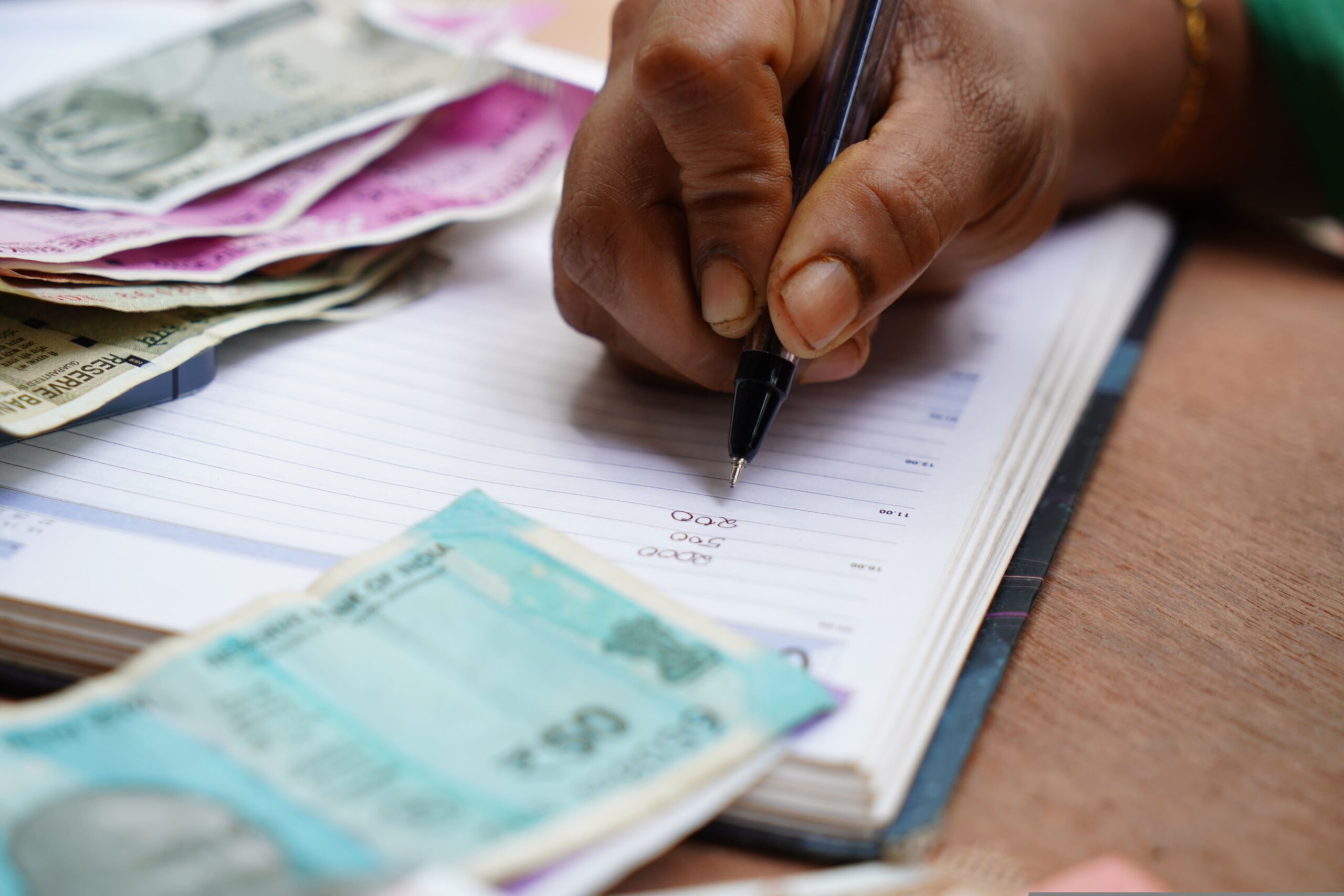
Managing money can feel overwhelming at first. Bills, debt, savings goals, credit scores, investing, and daily expenses all compete for attention. That is why understanding Personal Finance is one of the most valuable life skills you can develop. Personal finance is not only about becoming wealthy. It is about learning how to control your money instead of letting money control you.
A strong personal finance strategy can help you:
- Reduce financial stress
- Build savings
- Improve your credit score
- Pay off debt faster
- Prepare for emergencies
- Reach long-term goals
- Create financial security
This guide breaks down everything beginners need to know about money management in simple, practical language.
What Is Personal Finance?
Personal finance refers to how individuals manage their money, expenses, savings, investments, debt, and financial goals.
It includes every financial decision you make, such as:
- Budgeting
- Saving money
- Expense tracking
- Using credit responsibly
- Paying off loans
- Investing
- Retirement planning
- Insurance decisions
In simple terms, personal finance is the process of planning and managing your financial life.
Why Personal Finance Matters
Money affects nearly every part of life. Poor financial habits can lead to stress, debt, and instability, while strong money management skills create flexibility and peace of mind.
Benefits of Good Personal Finance Habits
| Benefit | Why It Matters |
|---|---|
| Lower stress | Financial stability reduces anxiety |
| Better savings | Helps prepare for emergencies |
| Stronger credit | Improves loan and mortgage approval chances |
| Less debt | Saves money on interest |
| Long-term wealth | Supports retirement and future goals |
| Financial freedom | Gives more lifestyle flexibility |
Good personal finance habits also help protect you during economic uncertainty, job loss, inflation, or unexpected expenses.
The 5 Core Areas of Personal Finance
Most financial decisions fall into five major categories.
1. Income
Income is the money you earn from:
- Jobs
- Freelancing
- Side hustles
- Investments
- Businesses
The goal is not only to earn more money but to manage income wisely.
2. Spending
Spending includes:
- Housing
- Transportation
- Food
- Utilities
- Entertainment
- Subscriptions
Tracking expenses is critical because small purchases can quietly drain your finances over time.
3. Saving
Saving money helps you:
- Handle emergencies
- Avoid debt
- Reach goals faster
- Build financial confidence
Savings accounts, high-yield savings accounts, and emergency funds all play important roles.
4. Investing
Investing allows your money to grow over time through:
- Stocks
- Bonds
- ETFs
- Mutual funds
- Retirement accounts
Long-term investing is one of the most powerful tools for building wealth.
5. Protection
Protection includes:
- Insurance
- Emergency savings
- Fraud prevention
- Estate planning
Financial protection helps reduce risks that could damage your finances.
How to Create a Budget That Actually Works?
A budget is a plan for how you will use your money.
Contrary to popular belief, budgeting does not mean restricting every dollar. A good budget simply helps you spend intentionally.
Step 1: Calculate Your Monthly Income
Include:
- Salary
- Freelance income
- Side hustle income
- Passive income
Use your after-tax income for more accurate budgeting.
Step 2: List Fixed Expenses
Fixed expenses usually include:
- Rent or mortgage
- Insurance
- Car payments
- Internet
- Phone bill
These expenses stay mostly the same each month.
Step 3: List Variable Expenses
Variable expenses may include:
- Groceries
- Dining out
- Shopping
- Entertainment
- Fuel
These categories often provide the biggest opportunity for savings.
Step 4: Set Financial Goals
Examples include:
- Paying off debt
- Building emergency savings
- Saving for a home
- Retirement investing
Clear goals make budgeting easier to maintain.
Step 5: Track Spending
Expense tracking helps identify:
- Overspending
- Unnecessary subscriptions
- Impulse purchases
- Budget leaks
Many people underestimate how much they spend monthly until they start tracking expenses carefully.
The 50/30/20 Budget Rule
One popular budgeting system is the 50/30/20 rule.
| Category | Percentage |
|---|---|
| Needs | 50% |
| Wants | 30% |
| Savings and debt repayment | 20% |
This budgeting method is simple and beginner friendly.
How to Save Money Without Feeling Miserable?
Many people fail at saving money because they try extreme strategies that are impossible to maintain.
Sustainable saving habits work better long term.
Practical Ways to Save Money
- Automate savings transfers
- Cancel unused subscriptions
- Cook meals at home more often
- Compare insurance rates
- Reduce impulse purchases
- Use cashback rewards responsibly
- Buy generic brands when possible
Even small savings add up over time.
Why Automated Savings Work
Automation removes emotion from money management.
When savings happen automatically:
- You spend less accidentally
- Consistency improves
- Financial discipline becomes easier
Many banks allow automatic transfers into savings accounts every payday.
Understanding Spending Habits and Expense Tracking
Expense tracking is one of the fastest ways to improve personal finance habits. Most people are surprised by how much they spend on:
- Food delivery
- Coffee
- Online shopping
- Streaming subscriptions
- Small impulse purchases
Best Expense Tracking Methods
Manual Tracking
Using:
- Spreadsheets
- Journals
- Budget templates
Best for people who want detailed control.
Budgeting Apps
Apps can automatically categorize spending and monitor budgets. Popular features include:
- Bank syncing
- Spending alerts
- Savings goals
- Bill reminders
Signs Your Spending Is Becoming a Problem
Watch for:
- Living paycheck to paycheck
- Increasing credit card balances
- Frequent overdraft fees
- Using debt for basic expenses
- No emergency savings
Recognizing these signs early can prevent larger financial problems later.
Emergency Funds Explained
An emergency fund is money reserved for unexpected expenses.
Examples include:
- Medical bills
- Car repairs
- Job loss
- Home repairs
How Much Should You Save?
Most financial experts recommend:
- 3–6 months of essential expenses
Start smaller if needed. Even saving $500–$1,000 can reduce financial stress significantly.
Where Should You Keep Emergency Savings?
A high-yield savings account is often the best option because it offers:
- Easy access
- Interest earnings
- Lower risk
- FDIC protection
Emergency funds should stay separate from daily spending accounts.
Credit Scores: What They Are and Why They Matter?
A credit score is a number that represents your creditworthiness.
Lenders use it when evaluating:
- Loans
- Mortgages
- Credit cards
- Car financing
Higher credit scores often lead to:
- Lower interest rates
- Better loan approvals
- Higher credit limits
Credit Score Ranges
| Credit Score | Rating |
|---|---|
| 300–579 | Poor |
| 580–669 | Fair |
| 670–739 | Good |
| 740–799 | Very Good |
| 800–850 | Excellent |
Factors That Affect Credit Scores
Payment History
Paying bills on time is the most important factor.
Credit Utilization
This measures how much credit you use compared to your limits. Lower utilization usually improves scores.
Length of Credit History
Older accounts can help strengthen credit profiles.
New Credit Applications
Too many applications within a short time can temporarily lower scores.
How to Improve Your Credit Score
- Pay bills on time
- Reduce credit card balances
- Avoid unnecessary applications
- Keep older accounts open
- Monitor credit reports regularly
Improving credit takes time, but consistent habits make a major difference.
Debt Management Strategies That Work!
Debt is not always bad. The problem is unmanaged debt with high interest rates.
Common Types of Debt
- Credit card debt
- Student loans
- Mortgages
- Auto loans
- Personal loans
Debt Snowball vs Debt Avalanche
Debt Snowball Method
Focus on paying smallest balances first.
Pros
- Quick psychological wins
- Builds motivation
Cons
- May cost more in interest
Debt Avalanche Method
Focus on highest interest rates first.
Pros
- Saves more money long term
Cons
- Progress may feel slower initially
Tips for Paying Off Debt Faster
- Make extra payments
- Refinance high-interest loans
- Reduce unnecessary spending
- Increase income through side work
- Avoid adding new debt
Debt management becomes easier with a clear repayment strategy.
Banking Basics and Smart Money Habits
Choosing the right banking products can improve financial efficiency.
Types of Bank Accounts
| Account Type | Purpose |
|---|---|
| Checking Account | Everyday spending |
| Savings Account | Emergency savings |
| High-Yield Savings | Better interest rates |
| Certificate of Deposit (CD) | Fixed-term savings |
What to Look for in a Bank
Consider:
- Monthly fees
- ATM access
- Interest rates
- Mobile banking tools
- Customer support
- FDIC insurance
Online banks often offer higher savings rates and lower fees.
Beginner Investing Basics
Investing helps money grow over time through compound returns.
What Is Compound Interest?
Compound interest means earning returns on both:
- Your original money
- Previous earnings
Over long periods, compounding can significantly increase wealth.
Stocks
Represent ownership in companies.
Bonds
Loans made to governments or corporations.
ETFs
Funds that hold multiple investments. ETFs are popular because they provide diversification with lower costs.
Retirement Accounts
Examples include:
- 401(k)
- IRA
- Roth IRA
Tax advantages make retirement accounts valuable long-term tools.
Retirement Planning for Beginners
Retirement planning becomes easier when started early. Even small contributions can grow substantially through compound growth.
Important Retirement Concepts
- Employer matching
- Tax advantages
- Long-term investing
- Risk tolerance
- Diversification
The earlier you start, the more time compounding has to work.
Common Personal Finance Mistakes
1. Ignoring Budgeting
Without a budget, spending becomes reactive instead of intentional.
2. Carrying High-Interest Debt
Credit card interest can quickly become expensive.
3. Not Saving for Emergencies
Unexpected expenses often force people into debt.
4. Lifestyle Inflation
As income increases, spending often increases too.
5. Delaying Investing
Waiting too long reduces long-term growth potential.
Best Personal Finance Tools and Apps
Useful financial tools include:
- Budgeting apps
- Spending trackers
- Savings calculators
- Investment platforms
- Credit monitoring tools
These tools simplify money management and improve visibility into financial habits.
How to Build a Long-Term Financial Plan
Financial planning is not only about today. It is about preparing for future goals.
Step 1: Define Financial Goals
Examples:
- Buying a home
- Retirement
- Paying off debt
- Starting a business
Step 2: Build a Budget
A budget supports every financial goal.
Step 3: Protect Yourself Financially
Insurance and emergency savings reduce risk.
Step 4: Invest Consistently
Long-term consistency matters more than perfect timing.
Step 5: Review Your Finances Regularly
Financial plans should evolve with:
- Income changes
- Family needs
- Career changes
- Economic conditions
Frequently Asked Questions
Q. What is personal finance in simple terms?
Answer: Personal finance is the process of managing money, including budgeting, saving, investing, debt repayment, and financial planning.
Q. Why is personal finance important?
Answer: Good personal finance habits help reduce stress, improve savings, manage debt, and create long-term financial stability.
Q. What are the basics of personal finance?
Answer: The main areas include:
- Budgeting
- Saving money
- Spending management
- Investing
- Debt management
- Credit building
Q. How can beginners start managing money better?
Answer: You can start by:
- Creating a budget
- Tracking expenses
- Building emergency savings
- Paying bills on time
- Reducing unnecessary debt
Q. What is the best budgeting method?
Answer: The best budgeting method depends on personal preferences. Many beginners prefer the 50/30/20 budgeting rule because it is simple and easy to maintain.
Q. How much should I save in an emergency fund?
Answer: Most experts recommend saving 3–6 months of essential living expenses.
Final Thoughts
Building strong personal finance habits does not happen overnight. Improving your finances is usually the result of small, consistent decisions made over time. Creating a budget, tracking expenses, saving regularly, improving your credit score, managing debt responsibly, and investing for the future can gradually strengthen your financial stability and confidence.
The most important step is simply getting started. You do not need a perfect financial plan on day one. Even small improvements, like building an emergency fund, reducing unnecessary spending, or paying bills on time, can make a meaningful difference over time.
Personal finance is ultimately about creating more control, flexibility, and security in your life. The earlier you begin developing healthy money habits, the more opportunities you create for long-term financial success.
As your financial situation changes, continue reviewing your goals, adjusting your strategies, and learning more about money management. Consistency and patience often matter far more than perfection.